

Spannungsprüfer
Voltage Testers: Choose the Right Tool for Safety & Precision
Voltage testers are essential for anyone working with electricity—whether you're a professional electrician or a DIY enthusiast. A good voltage tester helps you detect live circuits, avoid electrical shock, and ensure proper grounding. These testers range from simple pen-style detectors to advanced digital and non-contact models. When selecting a voltage tester, consider the type of measurement (AC vs. DC), voltage range, safety category (e.g. CAT IV 600 V), and whether you need features like built-in lights or low impedance for ghost voltage suppression.
For example, non-contact pens offer quick detection of live wires, while two-contact testers with LED indicators provide actual voltage readings. Advanced electronic testers, like the Klein ET60, offer AC/DC measurements from 12 V to 600 V without batteries and with CAT IV 600 V safety rating :
Before usage, always test your voltage tester on a known live circuit to confirm it’s functioning properly. For extra protection, use a non-contact tester for a first quick check, then follow up with a two-contact device to confirm voltage presence and levels

Wählen Sie Ihre Option


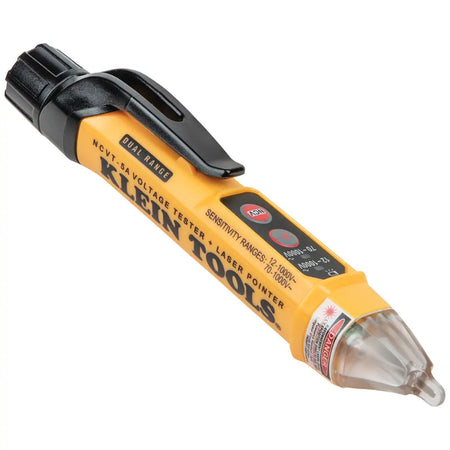
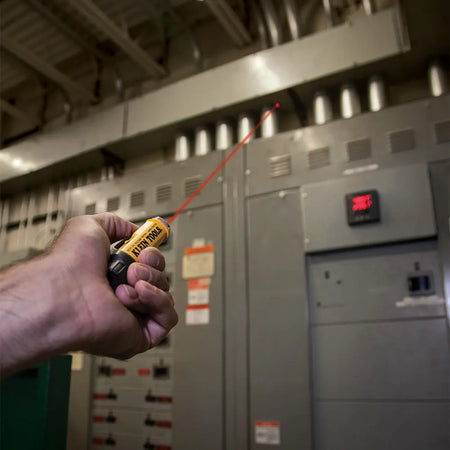
Klein KLE-NCVT-5A - Berührungsloser Spannungsprüferstift, zwei Bereiche, mit Laserpointer
Wählen Sie Ihre Option
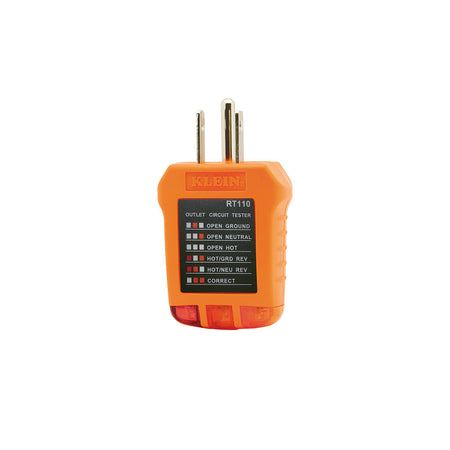
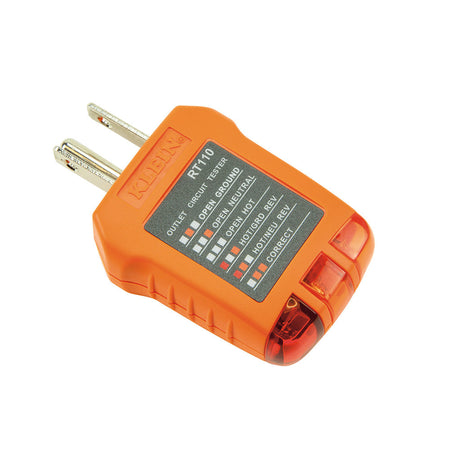


Wählen Sie Ihre Option

Wählen Sie Ihre Option

Wählen Sie Ihre Option


Wählen Sie Ihre Option

Wählen Sie Ihre Option

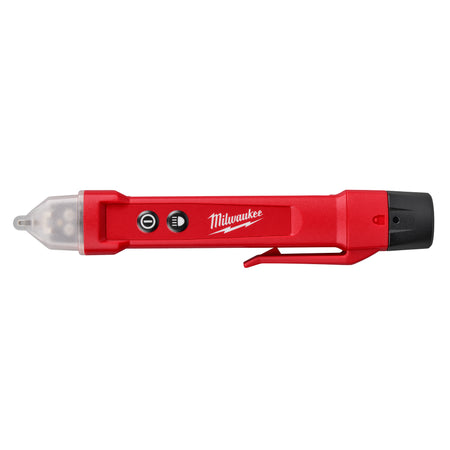
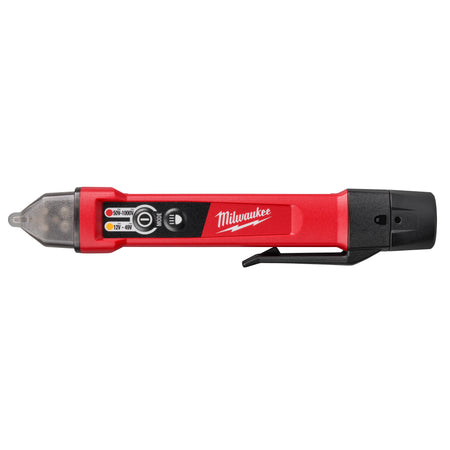
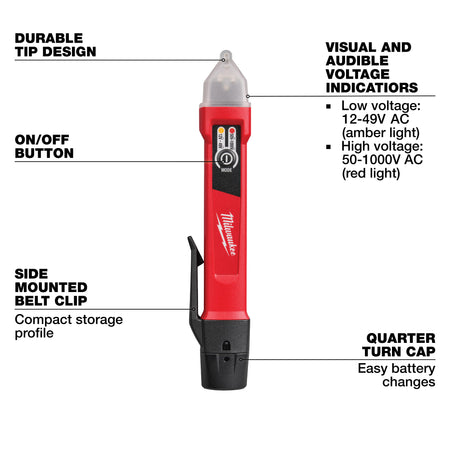
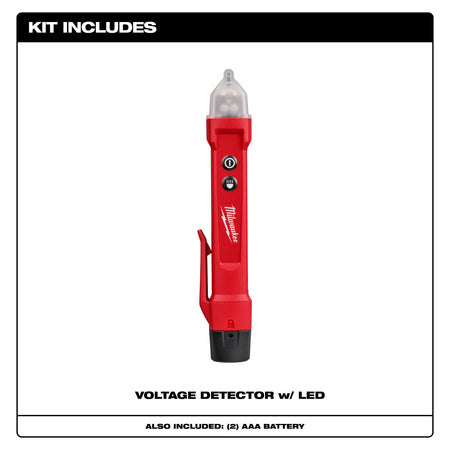
Milwaukee 3211-20 - Digital GFCI Receptacle Tester and Voltage Detector Kit with LED
Wählen Sie Ihre Option


